America’s Emergency Alert Network: What Happens When a Warning Goes Out
EAS, Wireless Emergency Alerts and NOAA Weather Radio serve different purposes in a national warning system.
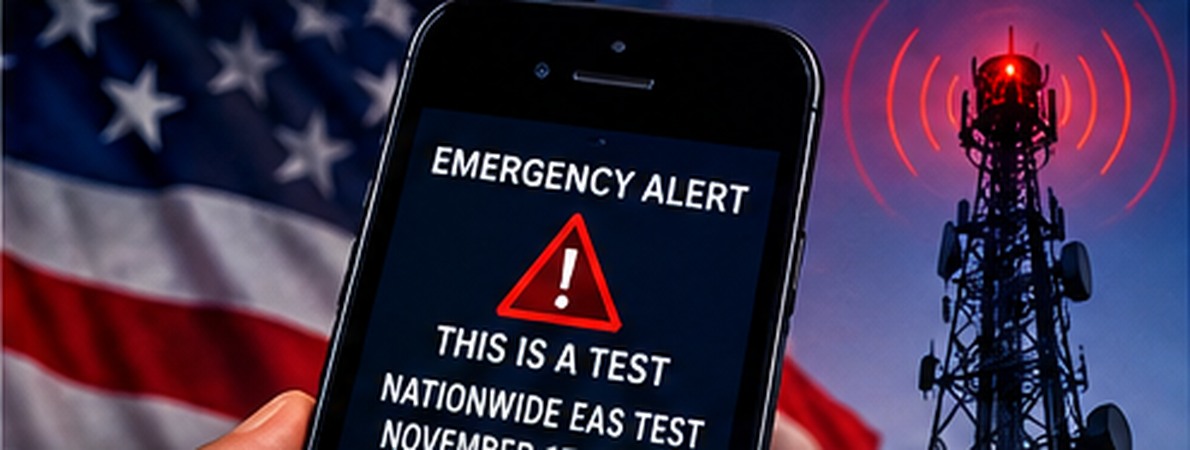
The United States uses several overlapping public warning channels. The Emergency Alert System can deliver messages over broadcast and cable platforms, while Wireless Emergency Alerts can reach compatible mobile phones in a targeted area. NOAA Weather Radio provides another source for weather and hazard alerts.
What the guidance means
The FCC oversees aspects of the warning infrastructure; FEMA operates national alerting capabilities, and state and local authorities issue many alerts. A scheduled system test should not be confused with an actual emergency warning.
Important context
For households, the practical lesson is redundancy: enable phone alerts, know a reliable local broadcast outlet and keep a battery-powered or hand-crank radio available if power or internet service fails.
Official background: Government or agency guidance. This original TNS explainer distinguishes ongoing public preparedness advice from an active emergency.