U.S. POLITICS
The Election Is Over. The Cost-of-Living Reckoning Is Not.
NOVEMBER 8, 2026 · TNS NEWS DESK
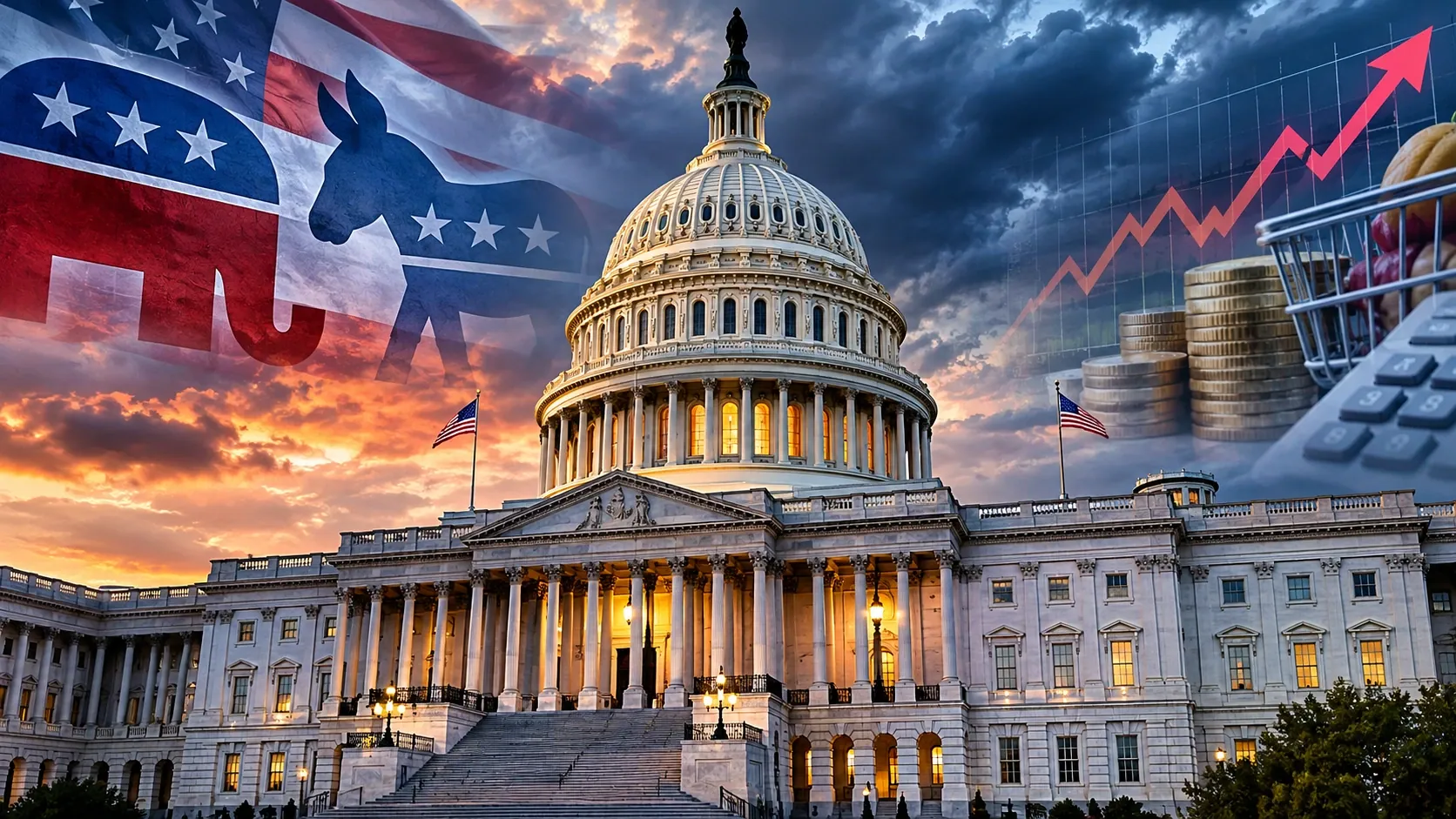
Control of Congress has shifted, but voters still face the same bills at the kitchen table.
The midterm election has changed Washington’s political arithmetic. Associated Press reporting on November 8 describes Democrats taking control of Congress and a president now facing new pressure to work with political opponents. Yet neither party has discovered an easy answer to the issue that helped drive voters to the polls: the cost of living.
AP reported annual inflation at 3.7 percent. That figure does not mean prices are 3.7 percent higher than they were before the inflation surge; it means the measured basket of prices is still rising compared with a year earlier. For households already struggling with housing, food, insurance and borrowing costs, slowing inflation does not automatically feel like relief.
Then comes the federal budget. AP describes annual borrowing near $2 trillion and interest on the debt exceeding $1 trillion. Those figures help explain why nearly every appealing policy comes with a difficult trade-off. Cutting taxes, increasing benefits and reducing deficits cannot all be achieved without choices about spending and revenue.
The new Congress will be judged on whether it can produce changes people notice, rather than another season of partisan theater. President Trump has indicated openness to some cooperation while retaining the power to reject legislation he opposes. That makes negotiation possible but hardly inevitable.
The real test will not be a press conference. It will be whether families see more room in their budgets a year from now—and whether lawmakers can explain how their proposals will be paid for.
Sources and continuing coverage
Published November 8, 2026. Forecasts and warnings can change. TNS analysis is distinguished from official weather alerts and verified reporting.