HORMUZ SHIPPING CRISIS DEEPENS
Reports of mined tankers and attacks at sea underscore the danger to Gulf energy routes; some claims remain unverified.
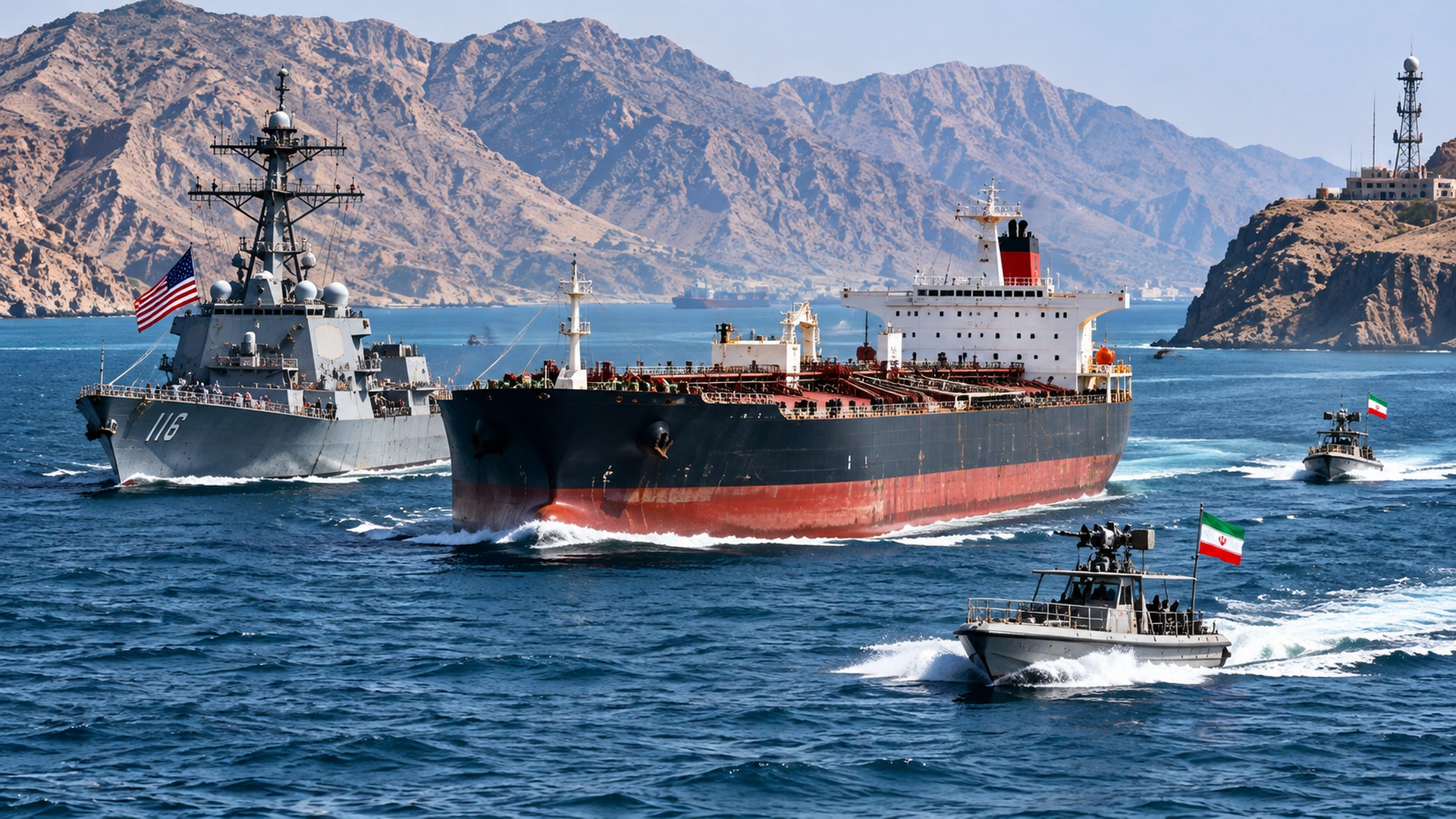
The Strait of Hormuz is becoming a test of how much disruption the global economy can absorb. Tanker fires, mine reports, disabled vessels and competing military statements are accumulating in the same narrow stretch of water.
On November 8, Reuters reported Iranian claims that two vessels struck mines and that another tanker caught fire. The United States separately said its forces disabled a ship in the Gulf of Oman for attempting to breach its blockade. Reuters could not independently establish every reported strike or the causes of the explosions.
That caveat matters, but so does the larger picture. Shipping operators make decisions based on risk, not courtroom certainty. An unconfirmed mine report can cause delays; a confirmed attack can raise insurance premiums and reduce the willingness of crews to transit a route. Those decisions ripple through oil, natural gas, chemicals and consumer goods.
Iran has used the threat to maritime traffic as leverage against the United States and its allies. Washington has used a blockade to squeeze Iranian exports and access to material. These tactics collide in a waterway that other countries depend on even when they are not parties to the conflict.
The danger is not limited to deliberate attacks. In congested waters, vessels can misidentify threats, respond to incomplete instructions or move toward danger while trying to escape it. A single misjudgment could produce casualties and an immediate demand for retaliation.
The most revealing indicators in the coming days may not be speeches. Look at ship movements, published maritime warnings, insurer restrictions and the number of commercial operators willing to accept the crossing. The market often registers a crisis before politicians agree on what to call it.
Sources and further reading: Reporting and source material