RIO GRANDE VALLEY FACES DRY WINTER OUTLOOK DESPITE SUNDAY STORMS
November 8, 2026 | Texas News Studio
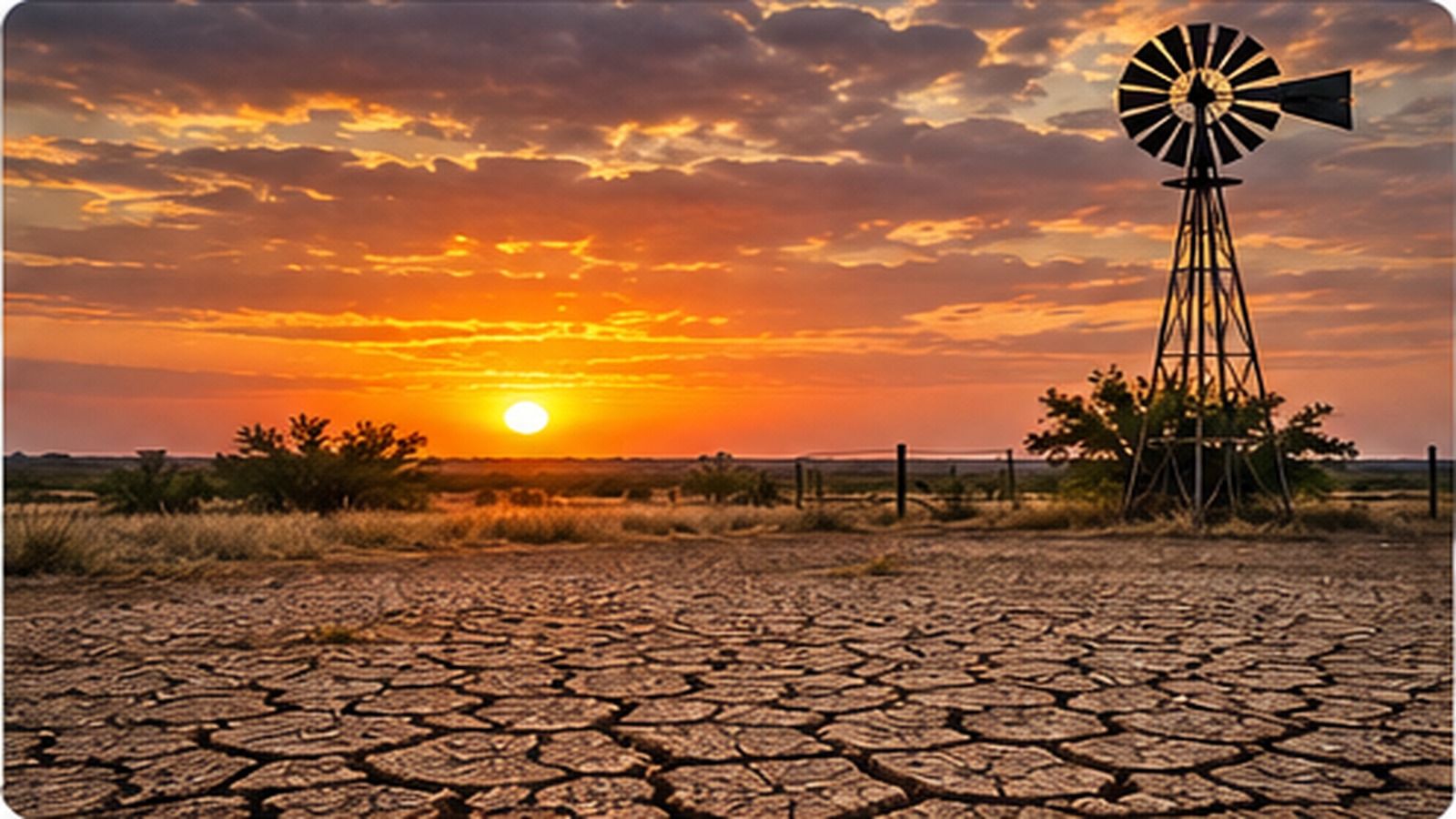
A rainy Sunday can make it easy to forget the larger weather story unfolding across the Rio Grande Valley. But a few thunderstorms do not automatically end months of water-supply pressure, and that is why the National Weather Service in Brownsville is already pointing residents toward the winter outlook.
In its November 2026–January 2027 outlook, the Brownsville office says normal to warmer-than-normal conditions are favored for the remainder of fall and the beginning of winter. The office also highlights a mainly dry pattern, with drought, fire-weather, coastal and water-supply issues remaining in focus. Those are regional outlook signals, not a promise that every day will be warm or rain-free.
That distinction matters. Seasonal outlooks describe which conditions are favored over a period of months. They do not predict the precise date of a storm or the amount of rain at a particular address. A single weekend of heavy showers can occur inside an otherwise dry season, just as a colder day can occur during a warmer-than-average winter.
For Valley households, farmers and communities that depend on reliable water, the cumulative rainfall over weeks and months matters more than a dramatic afternoon radar image. A useful measure is whether repeated rain events replenish soil moisture and water supplies, rather than simply producing brief runoff. Likewise, warmer conditions can increase evaporation and keep pressure on vegetation even when isolated storms occur.
The NWS outlook is also a reason to watch fire weather. Dry fuels and periods of wind can elevate risk when the weather turns quiet again. That does not mean a specific fire is forecast, but it does mean the background conditions deserve attention. TNS will separate daily warnings from seasonal probabilities so readers are not misled by either a dramatic storm photo or a single forecast map.
The takeaway is not that Sunday's rain is unimportant. It is that South Texas needs to look beyond the next 24 hours. The next several months will tell whether the region receives enough meaningful precipitation to improve its longer-term water picture.