TEXAS NEWS STUDIO / NEWS
WORLD / IRAN · NOVEMBER 7, 2026
IRAN WAR: WHAT COMES NEXT?
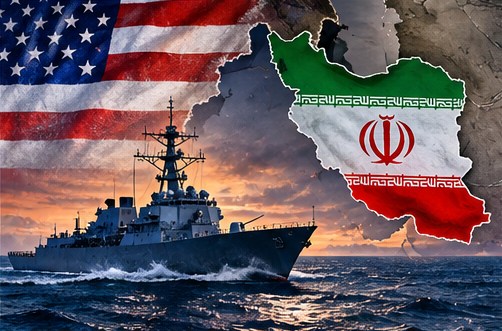
TNS EDITORIAL NOTE: This is an original news brief and analysis of publicly discussed developments, not a claim of firsthand reporting. The image is a conceptual illustration, not documentary photography.
Fresh commentary and reporting examine the next phase of U.S.–Iran tensions and their implications for oil and security.
The stakes
Tensions involving Iran can affect far more than the countries directly involved. The Persian Gulf is central to global energy shipping, and markets often respond quickly to fears of disruption. But a threat, a military movement, and a confirmed attack are three very different things. Readers deserve to know which one is actually being reported.
What would signal a change
The clearest indicators are official statements, independently confirmed incidents, changes to maritime advisories, diplomatic negotiations, and verified impacts on shipping or energy infrastructure. Unconfirmed social-media footage and anonymous predictions are not substitutes for evidence.
Why Texans should pay attention
Texas is a major energy producer, so oil-price volatility can influence producers, transportation costs, and household budgets in different ways. Higher crude prices do not automatically mean every Texan benefits; motorists and businesses also pay more for fuel.
Tex's Take | TNS Commentary
My view: the most useful thing a news outlet can do is separate what is known from what is merely being predicted. Big headlines are easy. Following the documents, the numbers, and the consequences for ordinary people takes more work. And if every prediction of disaster came true, we'd all need a second calendar just to schedule the emergencies. We'll keep watching the facts, and we'll update the story when the evidence changes.